

Luminous Whispers is a groundbreaking 300-panel interactive story designed to be a new form of digital media, rendered in real-time using Unreal Engine. The narrative follows a luminous being, Olena, on a cosmic pilgrimage to understand the universe and the fundamental force of creation, the Aether-Nexus. The project’s central goal is to explore profound themes of art, consciousness, and philosophy through a visually stunning, real-time experience.
The story begins with the creation of Olena by Lunalux, a defiant bio-artist on the planet Luminara. In a society that values "controlled beauty" and suppresses emotion, Lunalux creates Olena as a pure embodiment of "unbound" art. Olena's first act of consciousness is to ask, "What is love?" The narrative follows Lunalux's difficult decision to send Olena on a journey to find the answer, just before Lunalux herself is banished to Umbriel as punishment for her defiance.
Olena's journey takes a dark turn on Umbriel, a world of biomechanical decay. She is captured by Commander Lyrax, a military leader who seeks to control the Aether-Nexus. Here, Olena faces her greatest challenge, forced to perform in a cruel "bio-art fashion show" to prove her "utility." She meets two Umbrian guards, Vitrail and Kane, and uncovers Lyrax’s tragic past. With their help, Olena escapes, realizing that love can also be a defiant act of compassion.
On Earth in 1937, Olena learns that the Aether-Nexus can be a chaotic and painful force. She discovers that human art, specifically Picasso’s Guernica and the "Degenerate Art Exhibition," serves as a conduit for unspoken trauma and defiance. She learns that love and truth are not just found in harmony, but in the resilience of the human spirit to fight against oppression and rebuild from ashes.
Olena travels to EGOS, a world of cold, flawless perfection, to confront its ruler, King Valerius, an embodiment of ego and control. Valerius, who sees art as a resource to be acquired, attempts to imprison Olena as the "crown jewel" of his collection. Olena subtly subverts his attempts, demonstrating that true perfection lies not in control and ownership but in the boundless, ever-unfolding nature of the Aether-Nexus.
All plotlines converge in a final climax. The Champion's Trial pits Olena against Lyrax's ideology of control. Olena wins not with destruction but with empathy, healing Lyrax's central wound and bringing peace. Olena's journey culminates in a transcendent experience at the heart of a neutron star, where she understands that the Aether-Nexus is the fundamental source of all creation and love. The story concludes with vignettes of common people on each planet, showing how the cosmic re-balancing has changed their lives.
The story begins with the creation of Olena by Lunalux, a defiant bio-artist on the planet Luminara. In a society that values “controlled beauty” and suppresses emotion, Lunalux creates Olena as a pure embodiment of “unbound” art. Olena’s first act of consciousness is to ask, “What is love?” The narrative follows Lunalux’s difficult decision to send Olena on a journey to find the answer, just before Lunalux herself is banished to Umbriel as punishment for her defiance.
Olena’s journey takes a dark turn on Umbriel, a world of biomechanical decay. She is captured by Commander Lyrax, a military leader who seeks to control the Aether-Nexus. Here, Olena faces her greatest challenge, forced to perform in a cruel “bio-art fashion show” to prove her “utility.” She meets two Umbrian guards, Vitrail and Kane, and uncovers Lyrax’s tragic past. With their help, Olena escapes, realizing that love can also be a defiant act of compassion.
On Earth in 1937, Olena learns that the Aether-Nexus can be a chaotic and painful force. She discovers that human art, specifically Picasso’s Guernica and the “Degenerate Art Exhibition,” serves as a conduit for unspoken trauma and defiance. She learns that love and truth are not just found in harmony, but in the resilience of the human spirit to fight against oppression and rebuild from ashes.
Olena travels to EGOS, a world of cold, flawless perfection, to confront its ruler, King Valerius, an embodiment of ego and control. Valerius, who sees art as a resource to be acquired, attempts to imprison Olena as the “crown jewel” of his collection. Olena subtly subverts his attempts, demonstrating that true perfection lies not in control and ownership but in the boundless, ever-unfolding nature of the Aether-Nexus.
All plotlines converge in a final climax. The Champion’s Trial pits Olena against Lyrax’s ideology of control. Olena wins not with destruction but with empathy, healing Lyrax’s central wound and bringing peace. Olena’s journey culminates in a transcendent experience at the heart of a neutron star, where she understands that the Aether-Nexus is the fundamental source of all creation and love. The story concludes with vignettes of common people on each planet, showing how the cosmic re-balancing has changed their lives.

The narrative requires rendering six completely different, high-fidelity artistic styles in a single project. The engine's powerful rendering capabilities will be used to bring the flowing bio-architecture of Luminara, the ethereal skies of Elara, and the biomechanical decay of Umbriel to life as interactive environments.

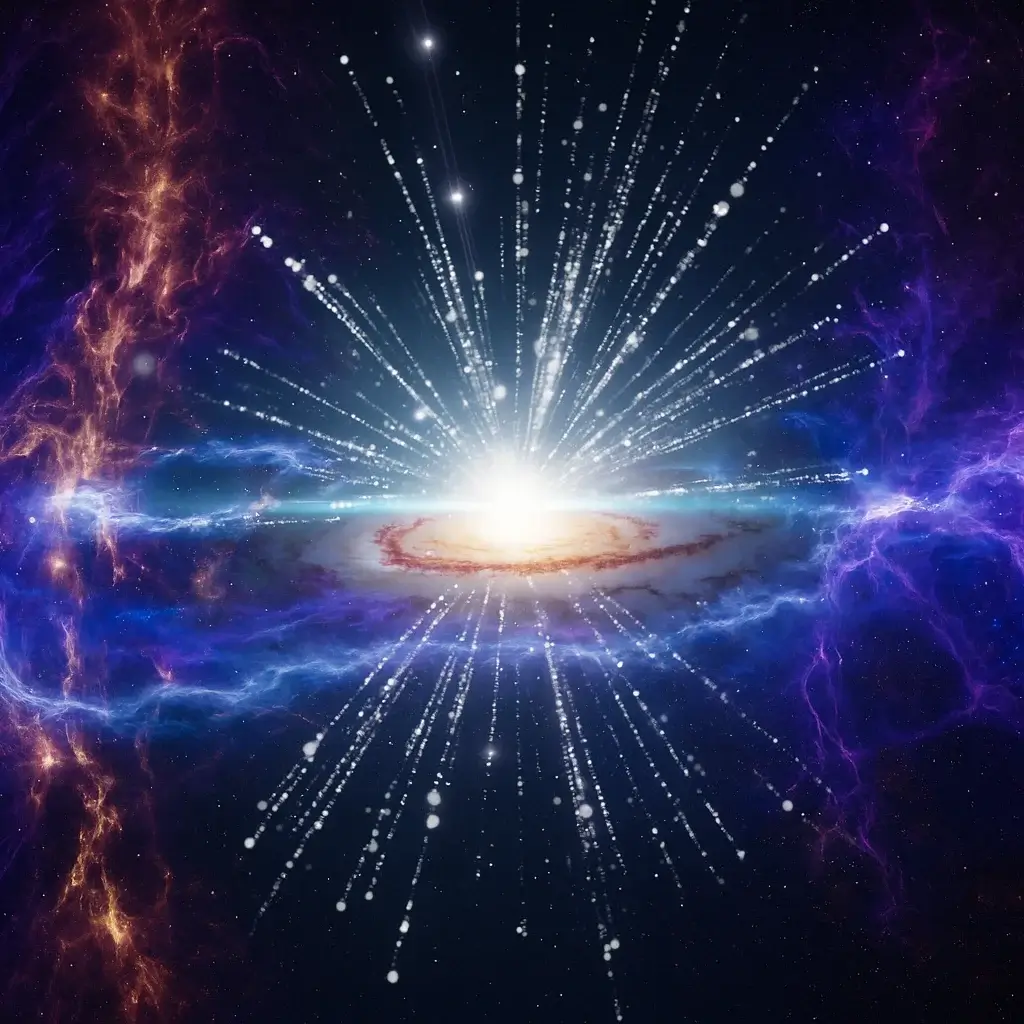
The core of our story, the Aether-Nexus, is a universal force of energy and consciousness. We will use Unreal Engine's particle systems, shaders, and physics to visually and audibly represent this force in real-time, allowing it to ripple through environments and characters in a way that is dynamic and responsive to the narrative.

Instead of pre-rendered cutscenes, the story unfolds in a real-time environment. Readers will be able to pause, explore, and interact with each "panel" of the narrative. This pushes the boundaries of what a game engine can do for non-gaming applications, creating a powerful, new template for digital art and literature.
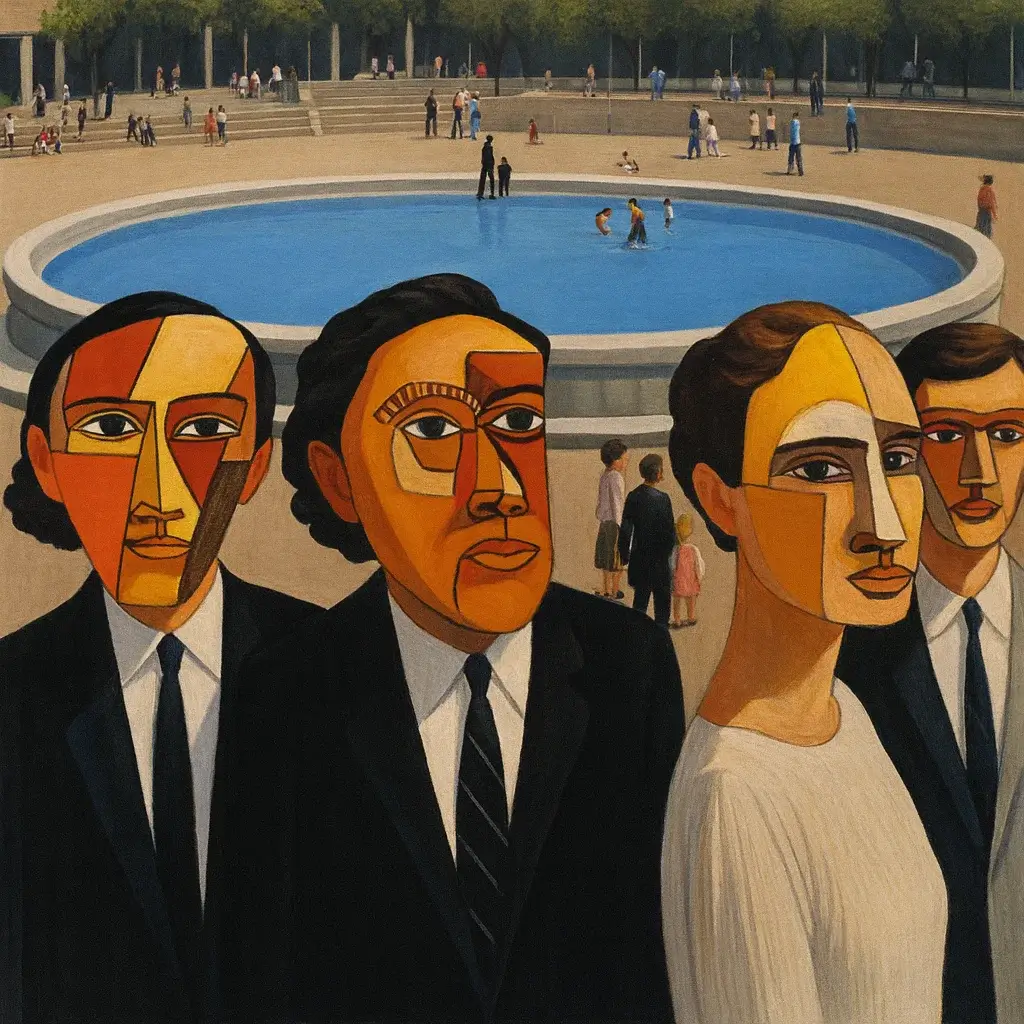
Earth is a world of vibrant, chaotic, and often conflicting energies. In 1937, it is at a critical juncture, with human ingenuity and fragile optimism clashing with the rising tide of fascism and the brutal reality of war. The Aether-Nexus on Earth is a turbulent, unmanaged sea of emotions that constantly clash and rebuild. The planet’s art, particularly works of Expressionism and Cubism like Picasso’s Guernica, serve as a powerful conduit for this unhealed, collective anguish, a silent scream of defiance against oppression.
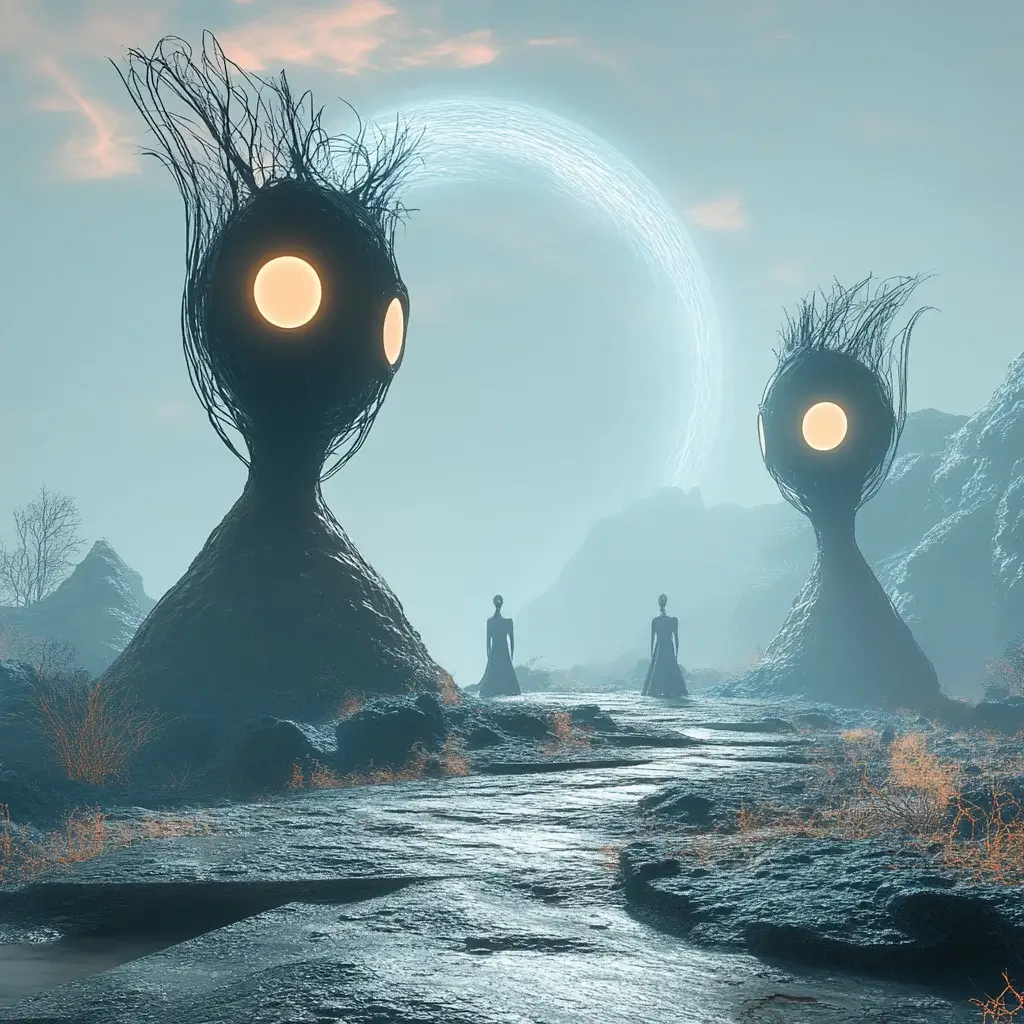
Luminara is a planet of immense energy, where all life is bioluminescent. Its society was founded on the “old ways” of art, where bio-sculptures were living, responsive entities that flowed with the Aether-Nexus. However, the ruling Magistrates, fearing the chaos of unbridled emotion, imposed a rigid “controlled aesthetic.” Now, Luminarians live in a society of sterile, geometric beauty, where emotions are suppressed and art is a predictable performance. The planet’s aesthetic is a living tribute to the flowing, organic lines of Antoni Gaudí, with crystalline structures grown from the ground like living things.
Elara is a world of pure, luminous harmony. Its life force comes from a central Sunstone, which emanates pure hydrogen—a shimmering, liquid light. The Elarans, a translucent and graceful people, revere this hydrogen as a direct conduit to the divine, a belief they call “hydrogen theology.” Their society is divided into Mystics (who interpret the hydrogen’s flow spiritually) and Resonators (who study it scientifically), but both share a core ethos of non-violence and respectful stewardship. The planet’s aesthetic is a living tribute to the light and atmosphere of J.M.W. Turner, with swirling, ethereal mists and translucent cities.
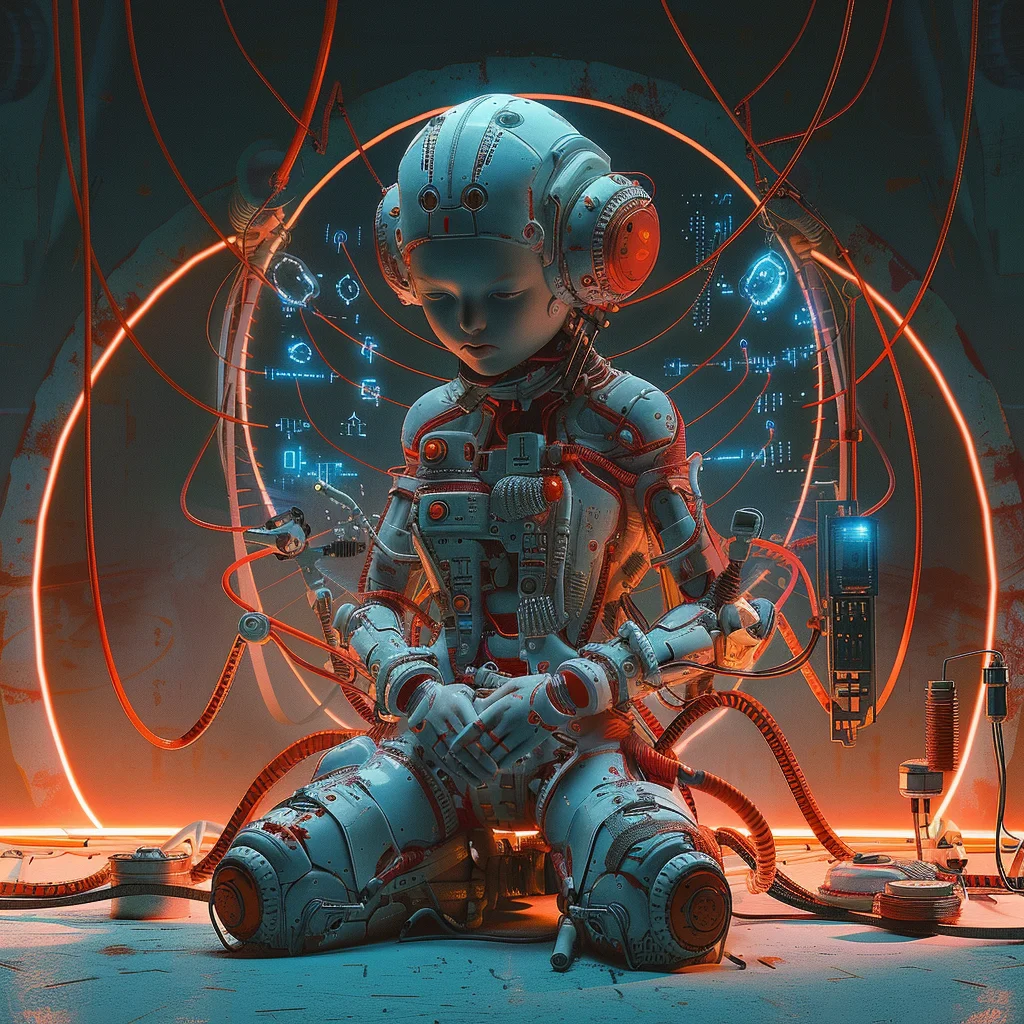
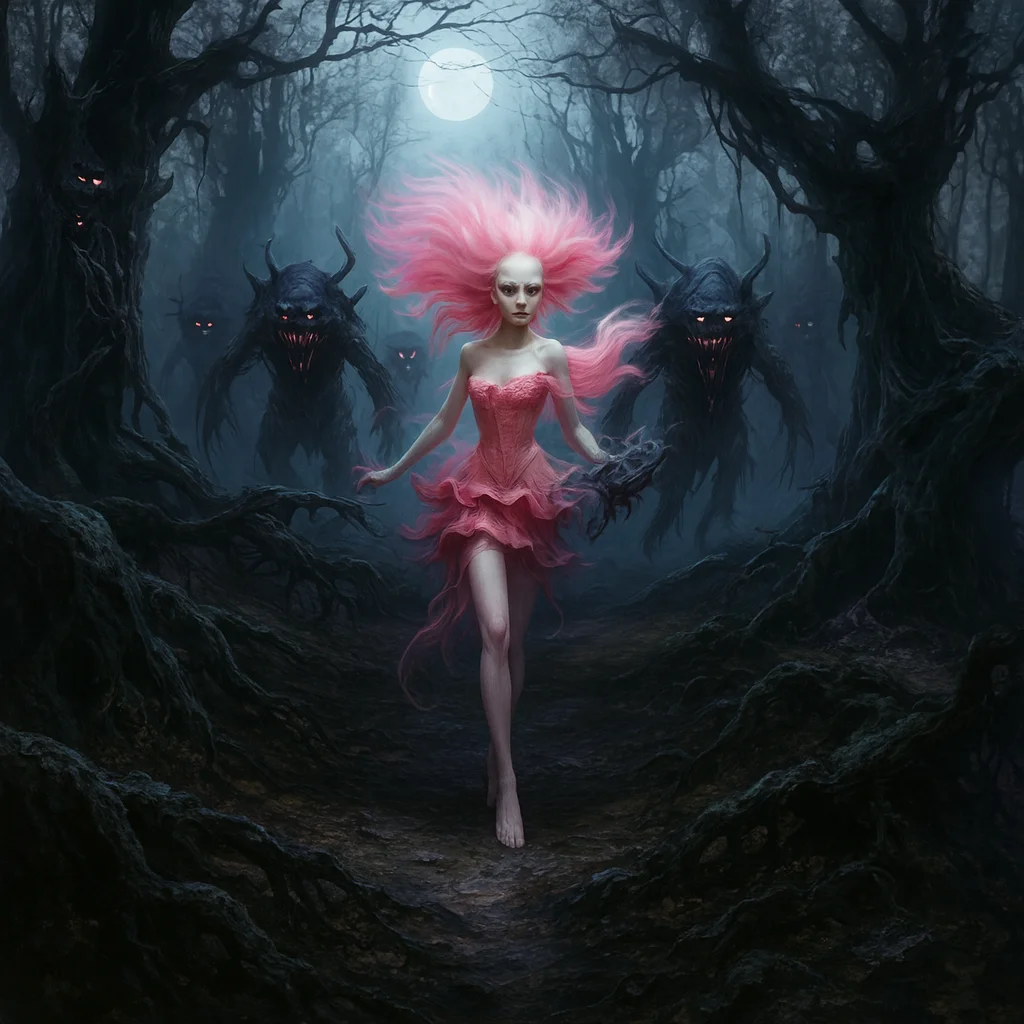
Umbriel is a dark, hostile world defined by decay and control. Its natural resources were depleted long ago, leading its people to embrace a militaristic philosophy of absolute control as the only path to survival. The Umbrians are a weary, gaunt people, their bodies a chilling fusion of metal and corrupted organic tissue. Everything is a resource to be categorized, and anything “inefficient” is to be “recycled.” The planet’s aesthetic is a dark, industrial tribute to H.R. Giger, with vast subterranean factories of rusting metal, pulsating organic growths, and exposed mechanisms.
EGOS is a world defined by its obsession with the self. Its inhabitants believe that life is a performance, and the ultimate purpose of existence is to forge a perfected self, a flawless and irrefutable testament to individual will and achievement. They view the Aether-Nexus not as a shared flow but as an energy source to be meticulously categorized and owned. The planet’s aesthetic is a cold, stark tribute to Bauhaus minimalism and Brutalism, with flawless geometric structures and a pervasive hum of self-satisfaction.
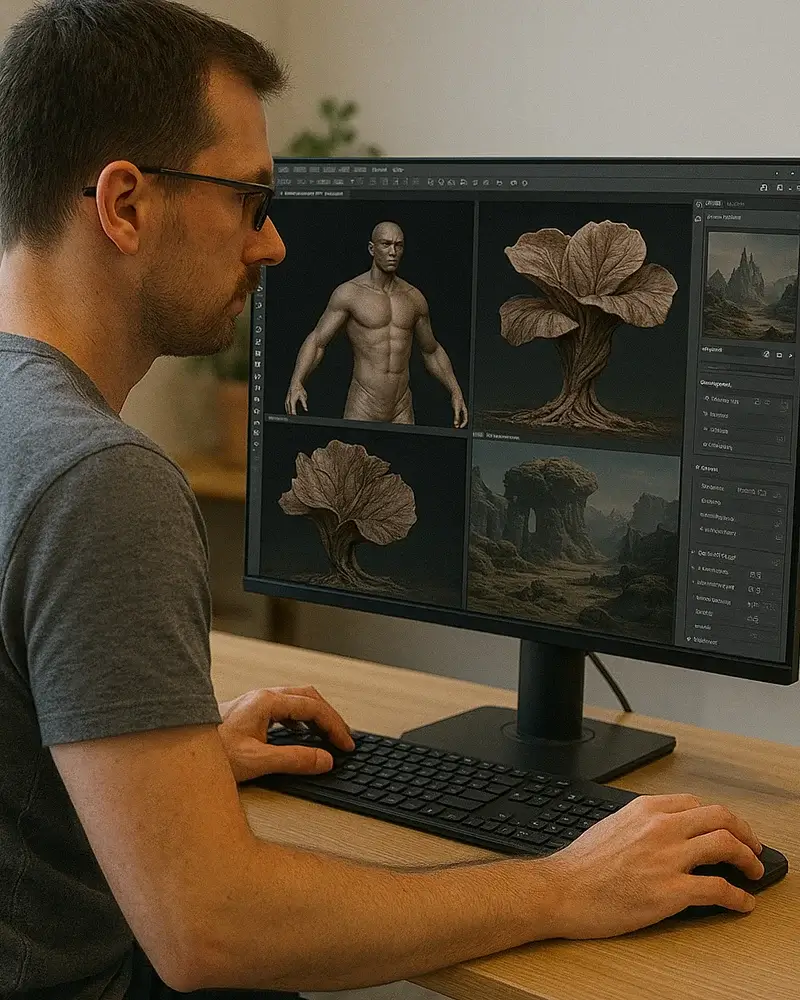
Creates the digital assets for each scene. Under the guidance of the Art Director, this team will design and model the characters, environments, and bio-art sculptures. Their work brings the written descriptions of Luminarian crystalline cities, Umbriel's biomechanical factories, and Elara's ethereal landscapes into a tangible, 3D form.
Crafts the aural experience of the story. This role involves creating the sound effects for each planet (e.g., the rhythmic hum of Luminara, the chaotic grind of Umbriel) and composing a multi-planetary soundtrack that reflects the emotional and philosophical beats of the narrative. The sound designer ensures that the audio cues work in harmony with the visual elements to create a truly immersive experience.
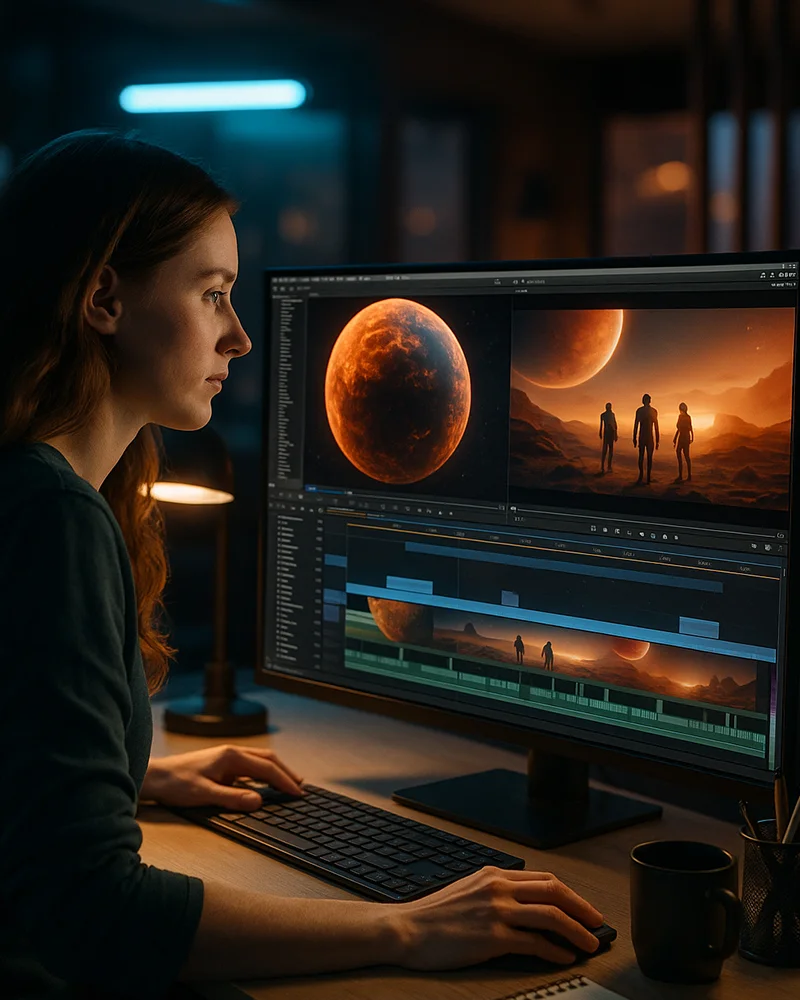
Focuses on the real-time visual effects that define the project's unique look. This person will be responsible for creating the dynamic particle systems for the Aether-Nexus, the shimmering light effects of Olena's form, the visual chaos of the Wild Aberrations, and the nuanced, light-based "magic" that permeates the story. Their work makes the abstract concepts of the narrative feel visceral and alive.
Executive Writer / Producer
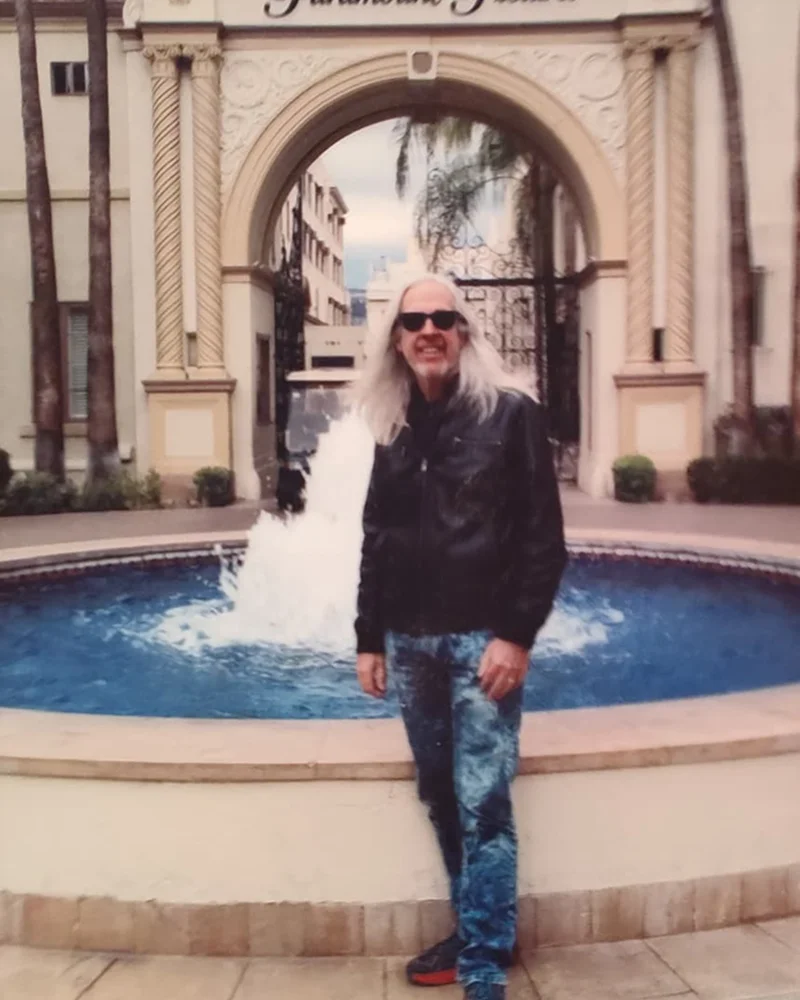
Gregg Burton is a seasoned media professional with a distinguished 45-year global career in media management, content production, and visual arts. As the Executive Producer and Writer of Luminous Whispers, he brings his extensive background in strategic planning, visual storytelling, and creative team leadership to this groundbreaking project.
His career is marked by a deep passion for storytelling and a commitment to redemptive projects that challenge conventional narratives. Having produced documentaries such as “The Man You Loved to Hate” and collaborated on numerous theatrical and television scripts, Gregg possesses a unique expertise in crafting compelling, high-concept stories. His experience in program development for international markets, combined with his work in fine arts including modeling, painting, and sculpture, provides the perfect foundation for a project that fuses diverse art forms with technology and philosophy.
Gregg’s vision for Luminous Whispers is a testament to his belief that art is a living, resonant force. He is applying his vast experience in media and visual arts to create a new form of interactive, digital storytelling, pushing the boundaries of what a narrative can be. His work is guided by a commitment to exploring universal themes of faith, culture, and consciousness, making Luminous Whispers an extraordinary project with a powerful, enduring message.
Sharjeel Ahmed is a versatile 3D Generalist with a strong background in digital design, animation, and visual storytelling. With expertise spanning modeling, texturing, rendering, and visual effects, he brings a comprehensive skill set to the creative process of Luminous Whispers. His work reflects a commitment to technical precision balanced with artistic vision, enabling him to craft immersive digital environments and characters that elevate narrative experiences.
Sharjeel has collaborated on diverse multimedia projects, from concept art to final production assets, showcasing a deep understanding of how technology and creativity intersect. His approach emphasizes innovation and adaptability, ensuring that each project not only meets technical standards but also delivers emotional impact.
Through his contributions, Sharjeel plays a vital role in realizing the project’s visual identity, blending artistic imagination with cutting-edge tools to push the boundaries of 3D storytelling. His dedication to continuous learning and his passion for visual artistry make him an essential part of the team bringing Luminous Whispers to life.
Waseem Khan is an accomplished Lead Developer with a strong foundation in software engineering, systems design, and interactive media development. For Luminous Whispers, he leads the technical architecture, ensuring the seamless integration of narrative, art, and technology into an interactive digital experience.
With a career defined by building robust, scalable platforms and applications, Waseem combines deep technical expertise with a creative mindset. His experience includes leading cross-functional teams, developing user-centric applications, and implementing innovative solutions that bridge storytelling and interactivity.
Waseem’s role goes beyond development; he ensures that the project’s technical framework supports its artistic vision, delivering a platform that is both functional and inspiring. His passion for merging technology with creativity drives his work, making him a cornerstone of the team dedicated to redefining how stories are told and experienced in the digital age.